Notes, releases and research from the AZRA programming language project.

The AZRA app is now available — a simple, dedicated way to reach the AZRA site and, soon, run AZRA code directly, without opening a browser every time.

AZRA is actively working on converting code from other programming languages into its own syntax and compiling it directly — a move that could also patch security gaps inherent to those languages.

Part of AZRA's new variable structure — spanning numbers, strings, and more specialized categories — is currently being defined. A quick look at what's coming.
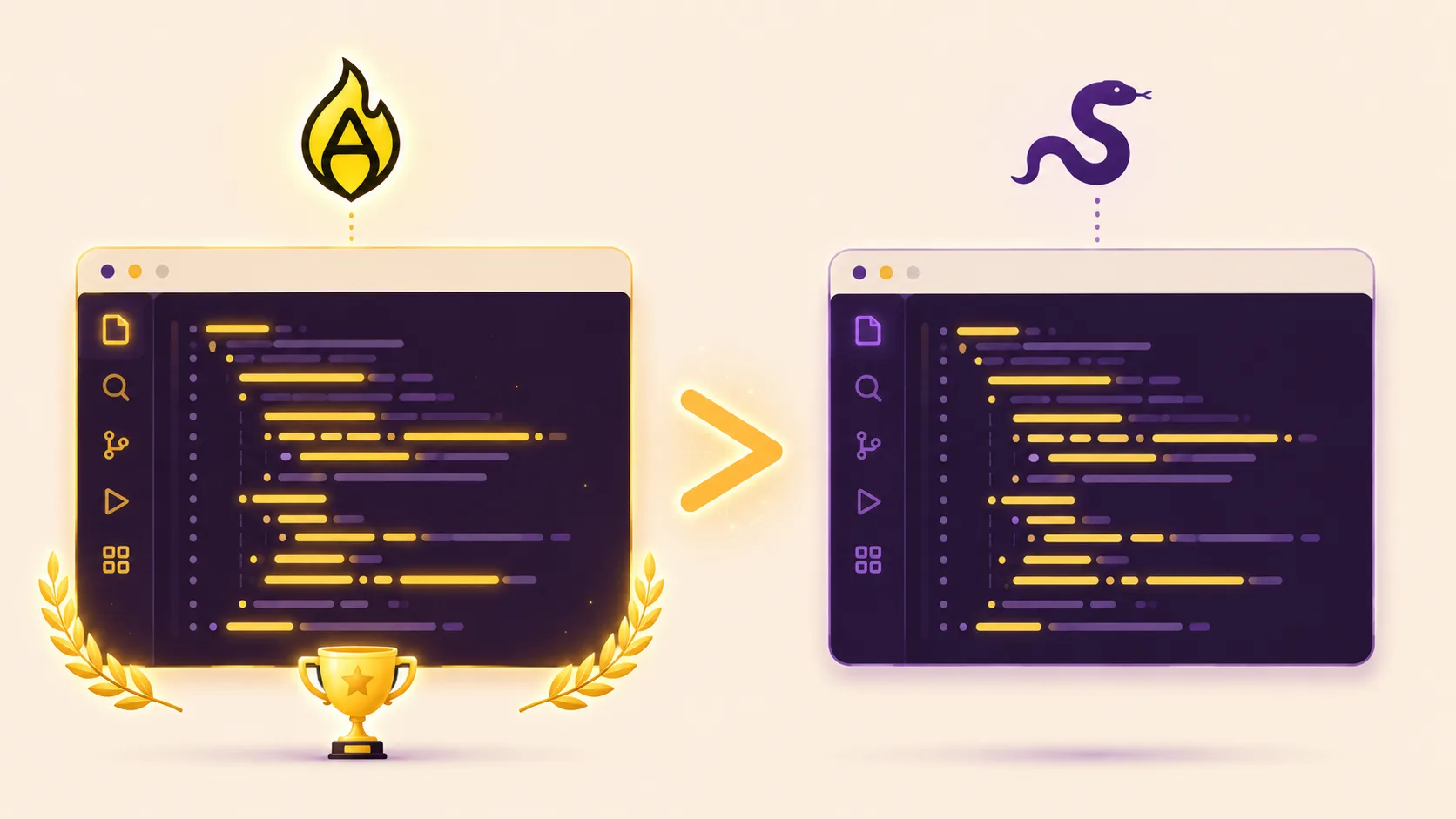
Time to get hands-on. A real, working AZRA example — a Person class with age-based logic — broken down line by line, explained against the official spec, and compared to the equivalent Python code.
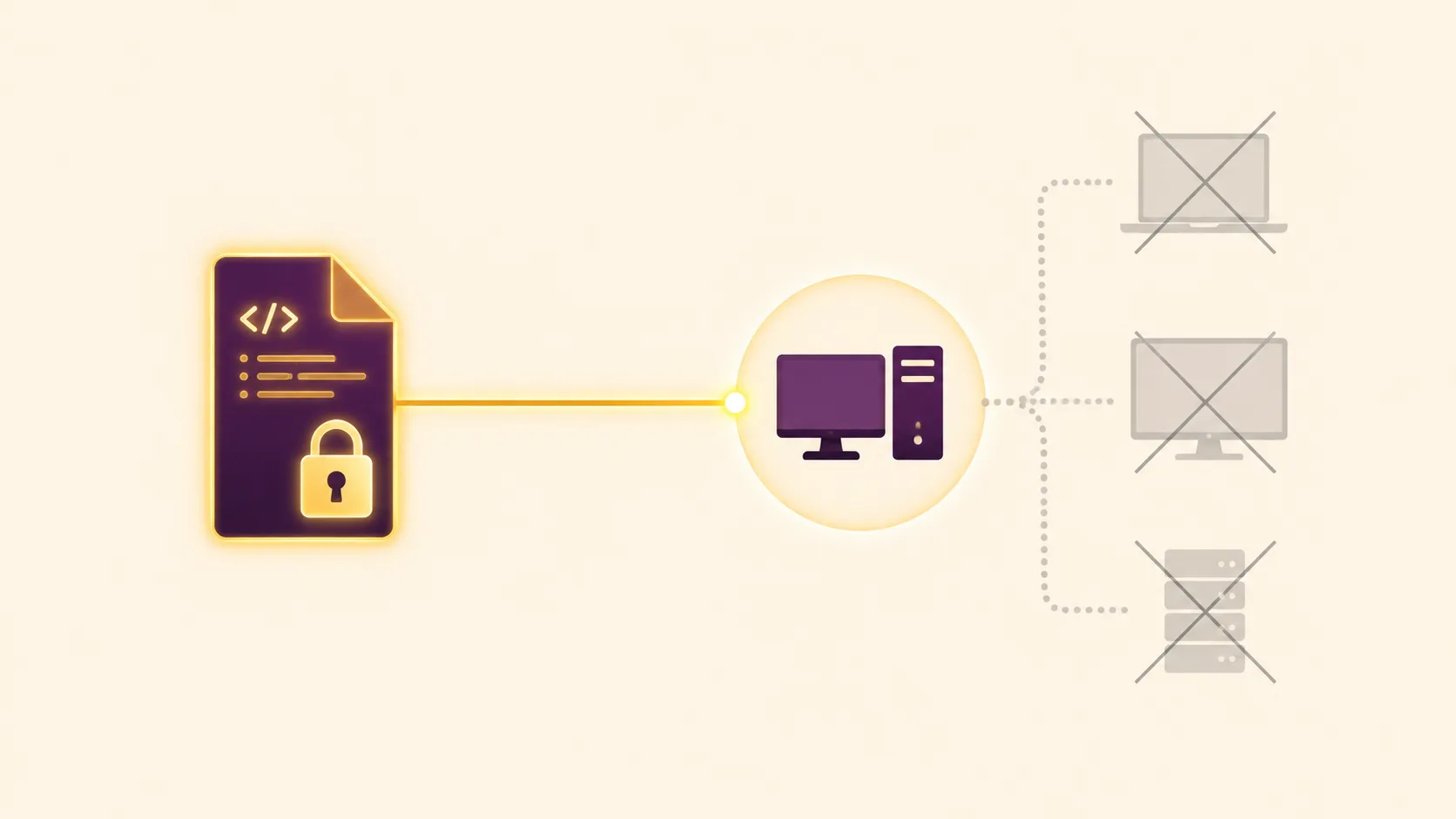
Every AZRA file declares exactly which source system and user it's authorized to run on — and yes, dedicated AZRA hardware is genuinely planned. Here's how the Target System works and where it's headed.

AZRA didn't start as a typical programming-language project. Here's the philosophy behind it, the distinction between AZRA the language and AZRA the project, and where it's all headed.
Part of AZRA's new variable structure will be introduced within the next one to two months. More specialized variables are still under research and may take years to arrive.
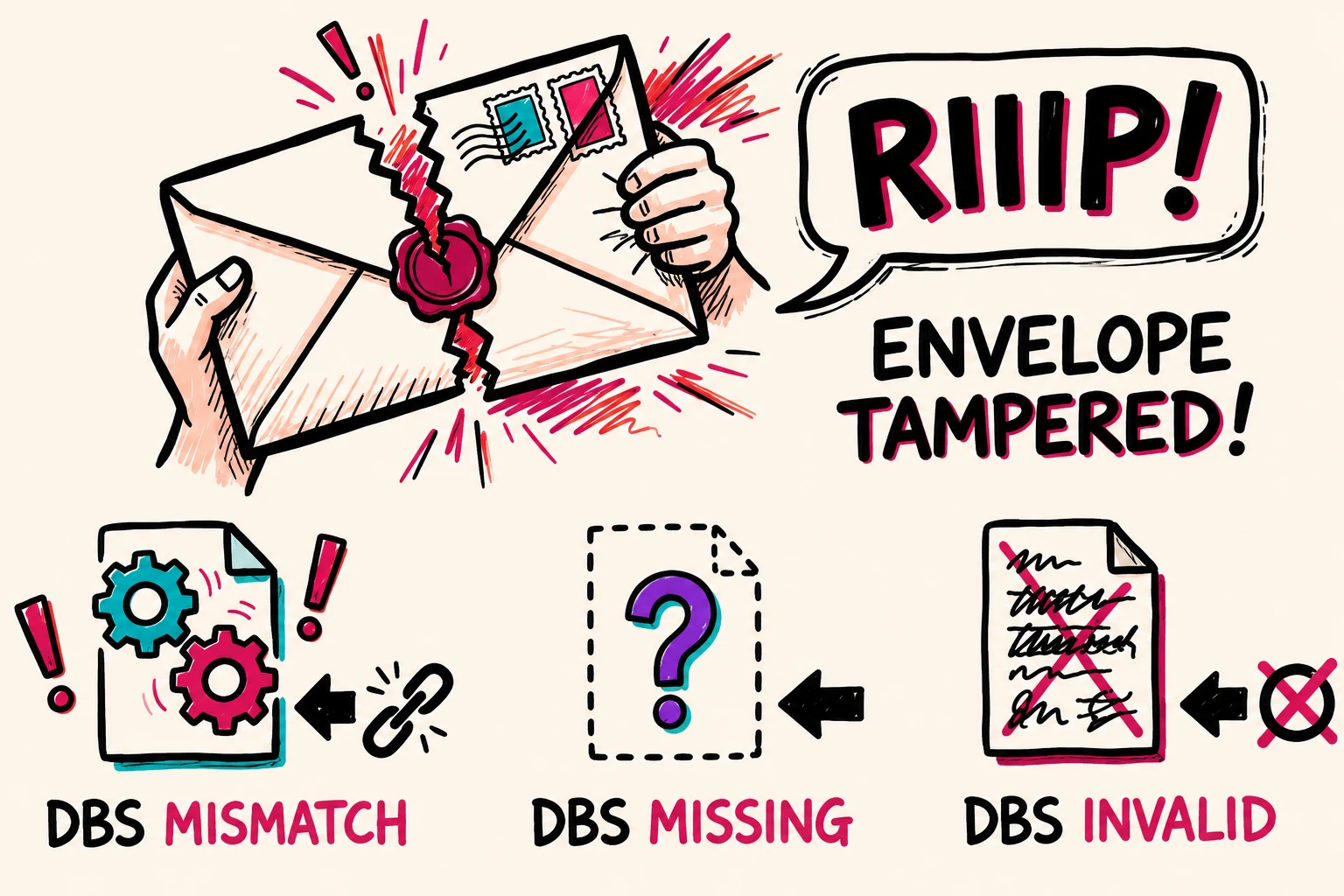
A closer look at AZRA's Dash Block Separator (DBS) — the structural rule that lets the compiler verify block integrity by counting dash lines against block length.

Before AZRA was a language, it was a question about consciousness, identity, and continuity. This is the philosophical idea — the Elastic Paradox — that shapes where AZRA is ultimately headed.
 AZRA
AZRA