 AZRA
AZRA 


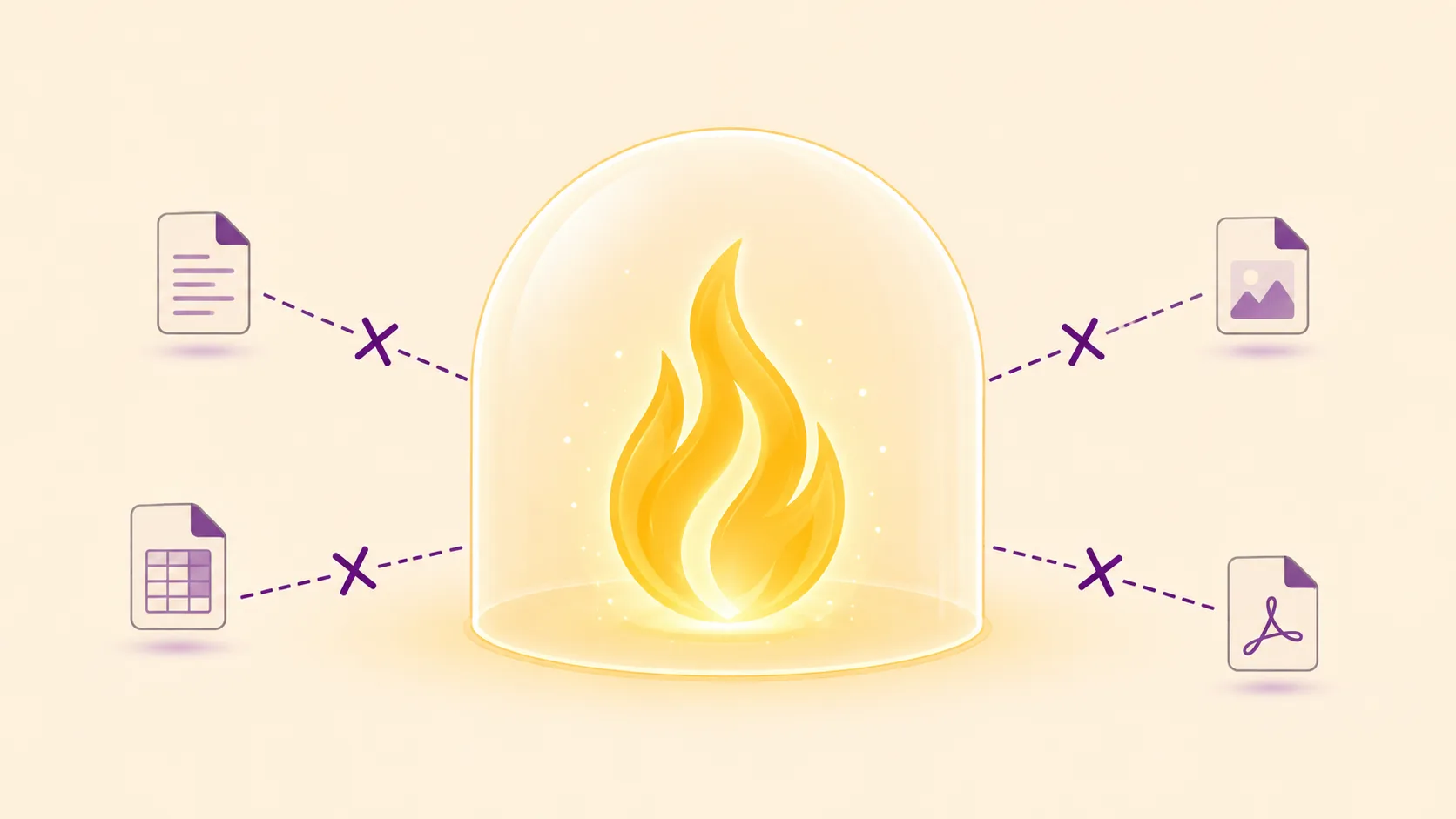
One of the next major directions AZRA is actively working on is the ability to take code written in other programming languages, convert it into AZRA's own syntax, and then compile that converted code directly.
Why This Is a Big Deal?
As covered before, AZRA is currently designed not to link to any other language or call external files — every file only communicates with other AZRA files. That constraint is intentional: it's part of what keeps AZRA's security model tight and self-contained.
But it also raises an obvious question: what happens to all the existing code written in other languages?
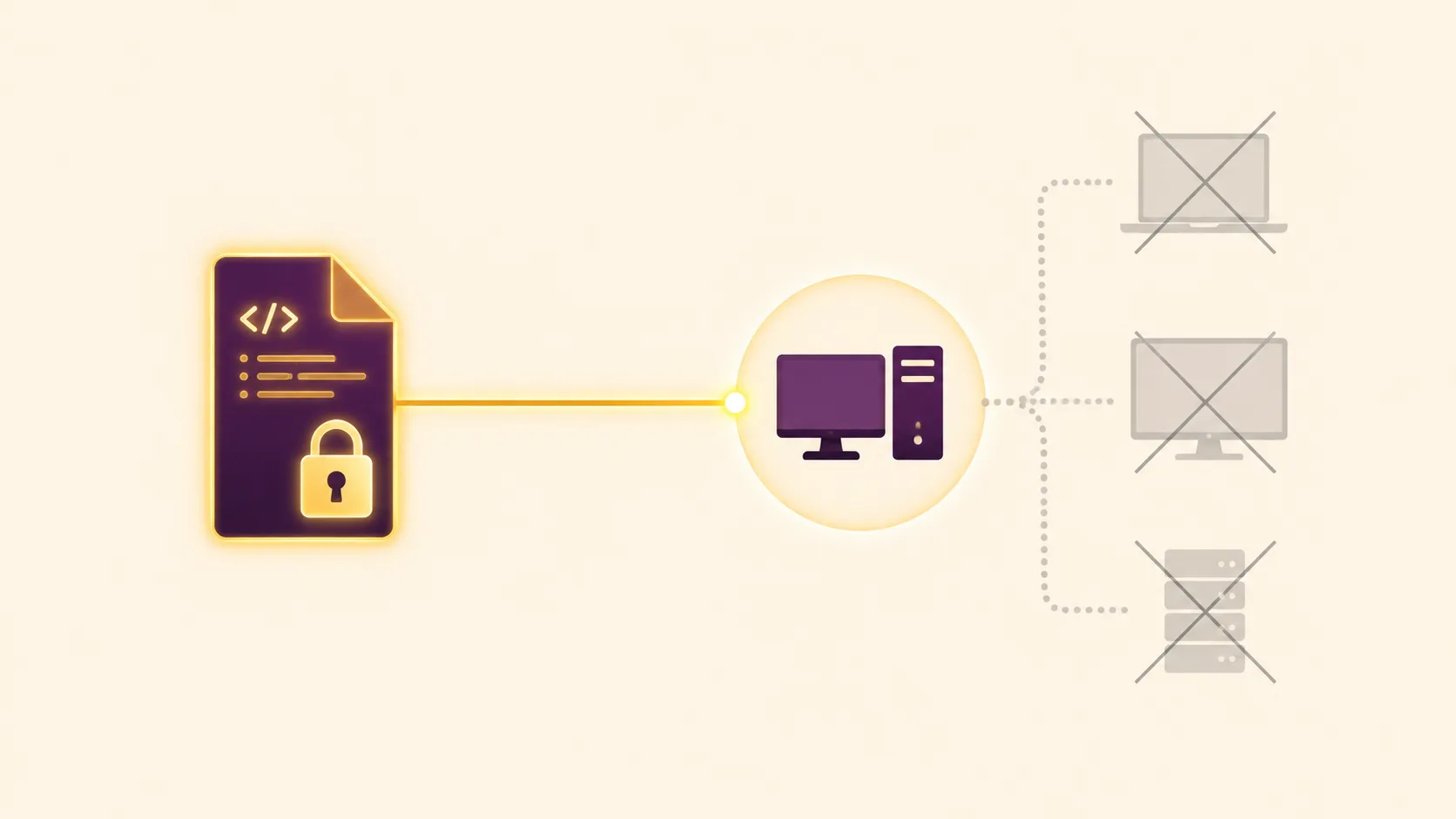
This is where the idea comes in. Instead of AZRA reaching out to other languages at runtime — which would break its closed, secure model — the plan is to convert that code into AZRA syntax first, so it becomes native AZRA code before it's ever compiled. No external calls, no dependency on another language's runtime, no compromise to the security boundary already built into AZRA's structure.
A Side Effect: Patching Security Gaps
One meaningful side effect of this approach is security. Many vulnerabilities in other languages come from how those languages themselves are structured — quirks in their runtime, loose typing, unsafe defaults, and so on. Once code is converted into AZRA, it's no longer running under those original rules; it's running under AZRA's own strict, security-first structure. In effect, the conversion process has the potential to close security holes that exist natively in the source language, simply because the resulting code no longer behaves like that language anymore.
Addressing the Obvious Concern
There's a fair concern worth naming directly: AZRA's syntax and behavior are significantly different from most other languages. That difference is exactly why this isn't a simple search-and-replace translation — it requires something smarter sitting inside the process.
This is where an offline AI component, built into the AZRA compiler itself, comes in. Its role is to understand the logic and intent of the original code and re-express it correctly within AZRA's stricter rules — things like the Dash Block Separator, strict variable definitions, and AZRA's class/method/function model — rather than attempting a naive line-by-line conversion that would break under such a different syntax.
Why It's Not Just a Big Idea
To be clear: this isn't just an ambitious concept floating around. Active work is already underway on both the theory and the underlying structure needed to make this happen — figuring out how logic, syntax, and structure from other languages can be reliably mapped onto AZRA's own rules without losing meaning or breaking AZRA's guarantees.
- What This Could Mean
If this direction is realized, developers wouldn't need to abandon existing codebases to bring their logic into AZRA. Code from other languages could be transformed into AZRA's own structure and then compiled the same way any native AZRA file is — keeping AZRA's closed, secure design intact, while potentially leaving behind the security weaknesses of the original language in the process.
This is still early-stage work, and the details will be refined as the theory and structure mature. But the direction itself is real, and it could end up being one of the more significant capabilities AZRA develops.
More updates will follow as this takes shape.


0 Comments