 AZRA
AZRA 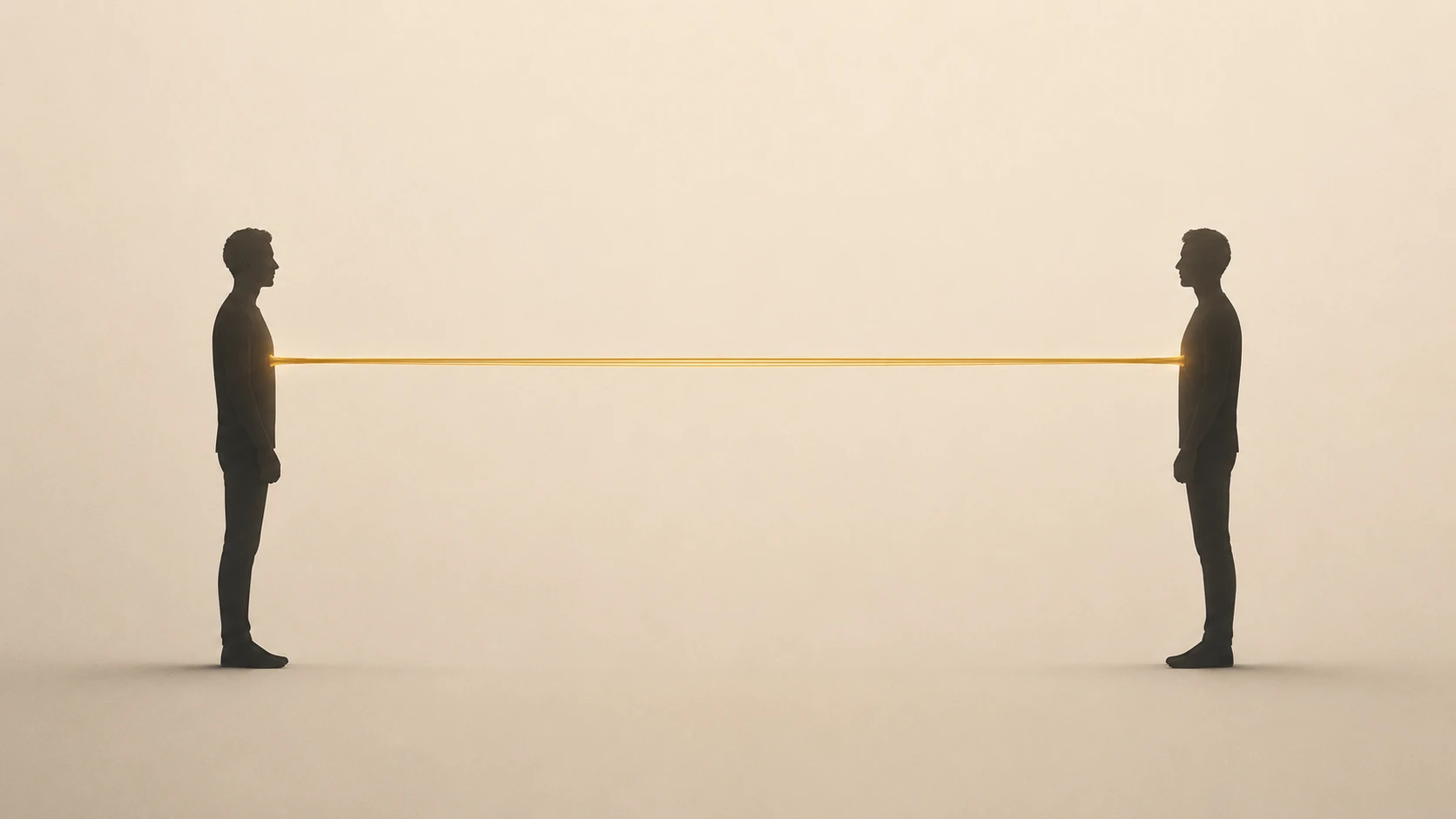
Most programming languages are built to solve a technical problem. AZRA started somewhere stranger: with a philosophical question about what makes a person the same person over time.
- The Teleportation Problem
Imagine a machine that scans a human body with perfect precision and reconstructs it somewhere else. The new version has every memory, every habit, every trait of personality. It insists, convincingly, that it is the same person.
But there's a harder question underneath: did the original consciousness actually continue — or was a new one simply created that believes it's the old one?
- The Problem With a Perfect Copy
If the original body is destroyed the instant the new one is created, everyone around the copy sees nothing unusual. From the copy's own point of view, it feels exactly like continuous existence.
But a perfect copy has no way of knowing, from the inside, whether it's a continuation or a brand-new consciousness that simply inherited someone else's memories. That's the uncomfortable core of the idea: a copy cannot detect that it is a copy.
- The Elastic Paradox, Defined
The working hypothesis is this: consciousness has a kind of continuity — an "elastic" thread connecting each moment of awareness to the next. As long as that thread holds, personal identity holds with it. If the thread is ever cut, even a perfectly identical replacement may only be a new consciousness wearing the old one's memories.
- Why Changing the Body Doesn't Break the Thread
People lose limbs, receive prosthetics, undergo organ transplants — and we never doubt it's still the same person. So physical change alone can't be what severs the elastic thread. If the slightest physical change broke identity, the entire concept of a continuous self would collapse. Something else has to be doing the work of continuity.
- Similarity Is Not Continuity
This is the sharpest edge of the idea: two systems can be completely identical, down to every detail, while only one of them is the actual continuation of a prior experience. Being alike is not the same as being the same.
- The Body as a Biological System
Seen this way, the body is an extremely complex biological system — one where organs can be reconstructed, tissue can be repaired, and parts can be replaced, as long as the underlying continuity of the system is preserved.
One striking implication: if a hand is lost, the brain still holds an internal model of that hand. If the necessary materials could be supplied, the structure read, and the neural connection maintained, it might be possible to regrow the limb — restoring the body's natural function rather than replacing it with something foreign.
- Why This Matters — and Where It Stops
The stated purpose behind exploring any of this isn't to build a new kind of human. It's to reduce suffering: treating cancer, correcting congenital conditions, restoring lost limbs, easing pain that doesn't need to exist.
And precisely because this kind of idea could be dangerous if it were ever technically realized, a hard ethical line is drawn around it from the start: never for mind control, never for altering identity without consent, never for manipulating consciousness, never for exploiting a person. That boundary isn't a footnote — it's a precondition.
- Where AZRA Fits Into All of This
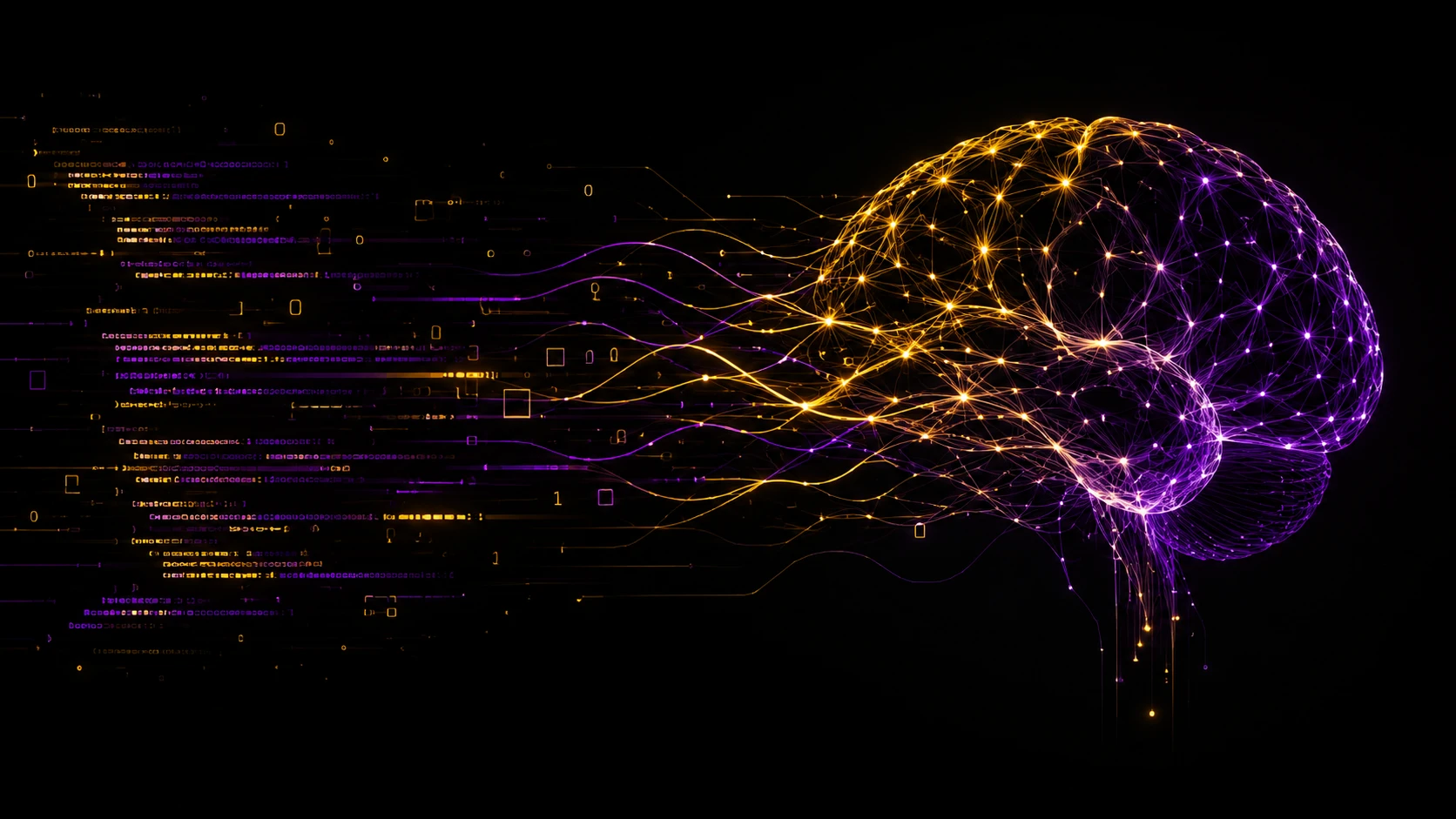
This is the philosophical soil AZRA grows out of. The ambition behind AZRA isn't to be an ordinary programming language — it's to build something structurally close enough to complex, living systems that it could eventually help model them: describing biological processes precisely, reconstructing movement patterns, and — at the outer edge of the vision — better modeling the communication language of the brain itself.
If a language could model the nervous system's own "language" more faithfully, the hope is that it could eventually contribute to treating disease, reconstructing organs, and building a more natural bridge between the brain and technology.
- The Open Questions
None of this is resolved, and it's presented here as philosophy, not proven science. The core questions remain genuinely open:
1. What is consciousness, exactly?
2. Is consciousness simply the byproduct of brain activity?
3. Does continuity matter more than similarity?
4. Is a perfect copy the same person?
5. Can the body be reconstructed without identity being lost in the process?
- Where This Leaves Us
The Elastic Paradox suggests that human identity depends on the continuity of a conscious process, not merely on physical resemblance. The body can change. Organs can be replaced. Tissue can be rebuilt. But if the thread of continuity is ever severed, what remains might only be a new being wearing an old one's shape.
This is a philosophical hypothesis, not a settled scientific theory — a framework for asking better questions about consciousness, identity, teleportation, bodily reconstruction, and the future of medicine. It's also, quietly, part of why AZRA is being built the way it is.
------------------------------------------------------------------------
اغلب زبانهای برنامهنویسی برای حل یک مسئلهی فنی ساخته میشوند. AZRA از جای عجیبتری شروع شد: از یک سوال فلسفی دربارهی اینکه چه چیزی باعث میشود یک فرد در طول زمان همان فرد باقی بماند.
- مسئلهی تلپورت
فرض کنید دستگاهی بتواند بدن انسان را با دقت کامل اسکن کند و در جای دیگری بازسازی کند. نسخهی جدید تمام خاطرات، تمام عادتها، و تمام شخصیت فرد اصلی را دارد. با اطمینان کامل ادعا میکند که همان فرد اصلی است.
اما سوال سختتری زیر این ماجراست: آیا آگاهی اصلی واقعاً ادامه پیدا کرده، یا فقط یک آگاهی جدید ساخته شده که باور دارد همان فرد قبلی است؟
- مشکل کپی کامل
اگر بدن اصلی درست در لحظهی ساختهشدن نسخهی جدید نابود شود، از دید بیرون هیچ چیز غیرعادی به نظر نمیرسد. از دید خود نسخهی جدید هم، دقیقاً حس تداوم کامل وجود دارد.
اما یک کپی کامل هیچ راهی ندارد که از درون بفهمد آیا واقعاً تداوم یک آگاهی است یا یک آگاهی کاملاً جدید که فقط خاطرات فرد دیگری را به ارث برده. این هستهی ناراحتکنندهی این ایده است: کپی نمیتواند تشخیص دهد که کپی است.
- تعریف پارادوکس کش
فرضیهی اصلی این است: آگاهی نوعی تداوم دارد — یک رشتهی «کشمانند» که هر لحظه از آگاهی را به لحظهی بعد وصل میکند. تا زمانی که این رشته حفظ شود، هویت شخصی هم حفظ میشود. اما اگر این رشته قطع شود، حتی یک جایگزین کاملاً یکسان هم ممکن است فقط یک آگاهی جدید باشد که خاطرات فرد قبلی را با خود دارد.
- چرا تغییر بدن این رشته را قطع نمیکند؟
انسانها عضو از دست میدهند، عضو مصنوعی دریافت میکنند، پیوند عضو انجام میدهند — و هیچوقت شک نمیکنیم که همان فرد باقی مانده است. پس تغییر فیزیکی بهتنهایی نمیتواند چیزی باشد که رشتهی کش را قطع میکند. اگر کوچکترین تغییر فیزیکی هویت را از بین ببرد، کل مفهوم «خود پیوسته» فرو میریزد. پس باید چیز دیگری مسئول این تداوم باشد.
- شباهت، تداوم نیست
تیزترین لبهی این ایده همینجاست: دو سیستم میتوانند کاملاً یکسان باشند، در تمام جزئیات، در حالی که فقط یکی از آنها واقعاً ادامهی تجربهی قبلی است. شبیه بودن با یکی بودن فرق دارد.
- بدن بهعنوان یک سیستم زیستی
از این زاویه، بدن یک سیستم زیستی بسیار پیچیده است — جایی که اندامها میتوانند بازسازی شوند، بافتها ترمیم شوند، و قطعات جایگزین شوند، تا زمانی که تداوم زیربنایی سیستم حفظ بماند.
نکتهی جالب: اگر دستی از دست برود، مغز همچنان یک مدل درونی از آن دست را در خود نگه میدارد. اگر بتوان مواد لازم را فراهم کرد، ساختار را خواند، و ارتباط عصبی را حفظ کرد، شاید بتوان اندام را دوباره رویاند — نه با جایگزینی یک عضو خارجی، بلکه با بازگرداندن عملکرد طبیعی بدن.
- چرا این مهم است — و کجا متوقف میشود
هدف اعلامشده از بررسی این ایده، ساخت نوع جدیدی از انسان نیست. هدف کاهش رنج است: درمان سرطان، اصلاح بیماریهای مادرزادی، بازسازی اندامهای ازدسترفته، و کاهش دردی که لازم نیست وجود داشته باشد.
و دقیقاً به همین دلیل که این نوع ایده اگر روزی از نظر فنی محقق شود میتواند بسیار خطرناک باشد، از همان ابتدا یک مرز اخلاقی سخت دور آن کشیده شده: هرگز برای کنترل ذهن، هرگز برای تغییر هویت بدون رضایت، هرگز برای دستکاری آگاهی، هرگز برای سوءاستفاده از انسان. این مرز یک پانویس نیست — یک پیششرط است.
- جایگاه AZRA در این میان
این همان خاک فلسفیای است که AZRA از آن رشد میکند. جاهطلبی پشت AZRA این نیست که یک زبان برنامهنویسی معمولی باشد — بلکه ساخت چیزی است که از نظر ساختاری بهاندازهای به سیستمهای زنده و پیچیده نزدیک باشد که بتواند روزی در مدلسازی آنها کمک کند: توصیف دقیق فرایندهای زیستی، بازسازی الگوهای حرکتی، و — در دورترین نقطهی این چشمانداز — مدلسازی بهتر زبان ارتباطی خود مغز.
اگر زبانی بتواند «زبان» سیستم عصبی را دقیقتر مدل کند، امید این است که روزی بتواند به درمان بیماریها، بازسازی اندامها، و ساخت پلی طبیعیتر میان مغز و فناوری کمک کند.
- سوالهای باز
هیچکدام از اینها هنوز حل نشده، و این متن بهعنوان فلسفه ارائه میشود، نه علم اثباتشده. سوالهای اصلی همچنان کاملاً باز هستند:
۱. آگاهی دقیقاً چیست؟
۲. آیا آگاهی فقط محصول فعالیت مغز است؟
۳. آیا تداوم مهمتر از شباهت است؟
۴. آیا یک کپی کامل همان فرد است؟
۵. آیا میتوان بدن را بازسازی کرد بدون اینکه هویت فرد در این مسیر از بین برود؟
- جمعبندی
پارادوکس کش میگوید هویت انسان احتمالاً به تداوم یک فرایند آگاهانه وابسته است، نه صرفاً به شباهت فیزیکی. بدن میتواند تغییر کند. اندام میتواند جایگزین شود. بافت میتواند بازسازی شود. اما اگر رشتهی تداوم قطع شود، آنچه باقی میماند شاید فقط موجودی جدید در شکل قبلی باشد.
این یک فرضیهی فلسفی است، نه یک نظریهی علمی اثباتشده — چارچوبی برای پرسیدن سوالهای بهتر دربارهی آگاهی، هویت، تلپورت، بازسازی بدن، و آیندهی پزشکی. و بهطور خاموش، بخشی از دلیل این است که چرا AZRA به همین شکلی که هست ساخته میشود.
4 Comments
Very beautiful
Thanks !
In my opinion this article is so useful. I wish the best for you. Good luck,
Thank you!